Affordable Roofing Moncton
You need Moncton roofing experts who plan around freeze-thaw, Petitcodiac winds, and heavy precipitation. Look for CSA‑aligned setups: impact-resistant shingles, SBS‑modified ice/water shields with maximum adhesive power, stainless or hot‑dipped galvanized flashings, Class H wind ratings, and corrosion‑proof fasteners. Require calibrated ventilation, thermal inspection solutions, and visually documented QA. Demand transparent, itemized estimates, manufacturer registration, and assignable workmanship warranties. Contractors need to offer emergency tarp/steam de‑icing and service plans that protect your warranty. Here's how to choose with confidence next.
Main Highlights
- Regional Moncton experience: customized for extreme environmental elements, including freezing and thawing patterns, Petitcodiac wind exposure, and ice buildup, implementing appropriate slope designs, effective ventilation setups, and durability-tested materials.
- Utilizes SBS-enhanced membrane systems, anti-corrosion flashings and fasteners, and Class H shingles designed for high winds and coastal weathering.
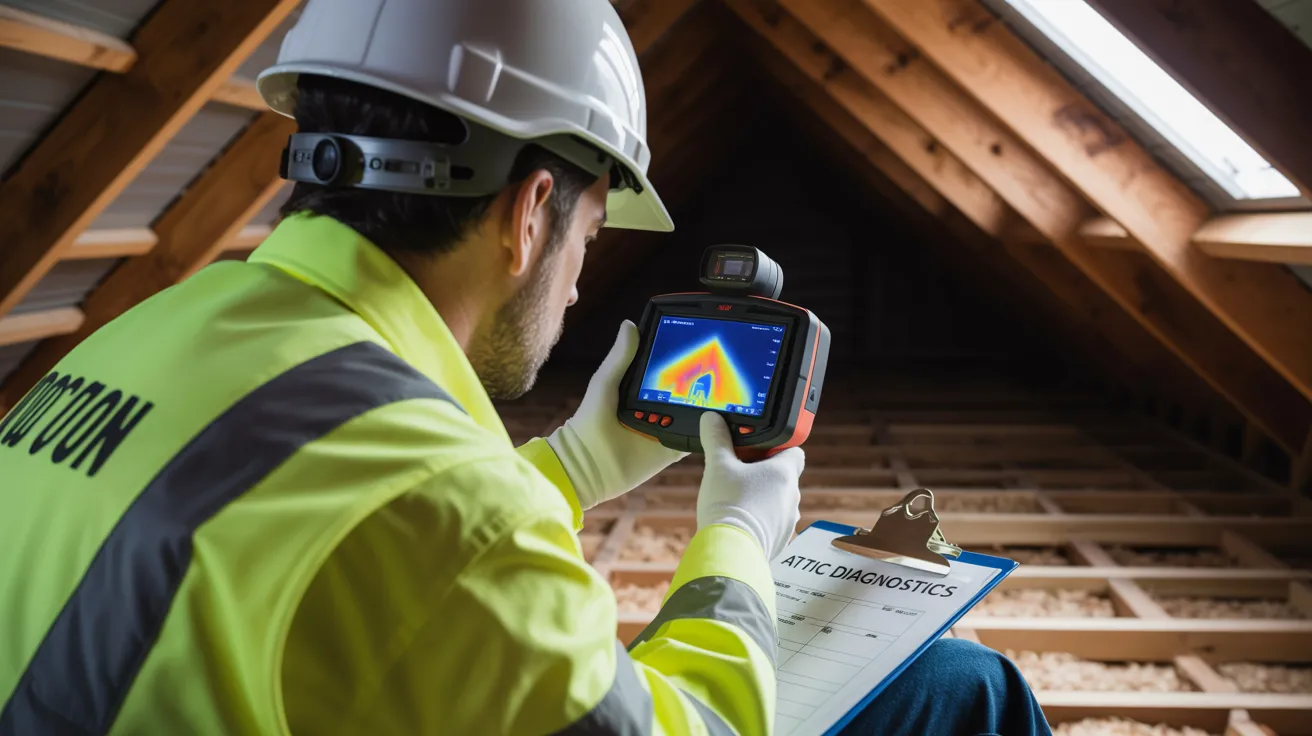
- Detailed inspections featuring roof and attic evaluations, infrared-based moisture detection, ventilation testing, and CSA and manufacturer-specified installation verification lists.
- Quick disaster response: fast tarp installation and temporary sealing, professional steam-based de-icing, detailed photo documentation for insurance, and structured repair schedules with clear timeframes.
- We provide full transparency with itemized pricing, scheduled maintenance, photo documentation and full warranty coverage featuring transferable workmanship and manufacturer warranties.
Understanding the Value of Local Roofing Knowledge in Moncton
Given that Moncton's unique microclimate is harsh on roofs, local expertise directly impacts system design, material selection, and warranty coverage. It's essential to have a contractor who knows temperature fluctuations, wind patterns along the Petitcodiac, and weather patterns that causes ice dam formation. Regional specialists specify appropriate slopes, underlayments, and ventilation to handle water buildup and thermal stress.
They will choose materials tested for Moncton-certified shingles, specially modified membranes, corrosion-resistant fasteners, and enhanced snow eaves protection-to satisfy local regulations while maintaining performance. Installers plan installations around transitional season conditions, using cold-weather adhesives and appropriate torch restrictions for secure installation.
Established firms carefully adjust service intervals and warranty registration to preserve warranty validity in this climate. You'll receive minimal return visits, steady operating costs, and verified compliance from day one.
Warning Signs for Roof Repair or Replacement
You should treat continuous moisture problems as a structural red flag, rather than a minor inconvenience, as moisture intrusion damages decking, insulation, and interior finishes. Upon discovering damaged roofing materials, this indicates compromised protection that leaves substrates vulnerable to weather damage. We'll inspect the roof system, evaluate the degradation, and recommend whether specific repairs or total replacement provides the most cost-effective solution.
Persistent Indoor Leaks
Recurring interior leaks typically signal underlying roofing problems instead of basic maintenance needs. If you observe water damage to ceilings, window heads, or partition joints, you're likely dealing with damaged roof layers, deteriorated flashing, or broken membranes—not just surface moisture. Water infiltration during minor rainfall indicates routes that circumvent roofing materials and saturate sheathing and insulation.
It's crucial to document and track where, when, and how severely leaks occur. We'll employ infrared scanning and moisture meters to trace moisture migration, assess penetrations, valleys, and eaves, and analyze ventilation systems that may cause moisture buildup and concealed mold growth. If not addressed, leaks can weaken hardware, damage materials, and diminish insulation properties, leading to higher energy expenses and potential structural failure. We'll provide specific repair solutions or complete replacement options considering roof pitch, construction, and age, preserving your home's interior components.
Shingle Damage and Loss
Regular inspections of the shingle field quickly reveal trouble indicators: uplift damage to shingle tabs, heat-induced edge curling, or cupping from trapped moisture. When roofing materials become damaged or displaced, you subject decking, hardware, and protective layers to weather exposure and moisture. You'll also lose wind rating because fastening systems and adhesives become weakened.
Take immediate action. Swap out missing shingles, secure loosened tabs, and correct ventilation issues that causes thermal cycling. Examine roof flashing where surfaces meet and at openings; deteriorated or corroded flashing hastens shingle failure and creates leak paths. Check for granule loss near downspouts-exposed shingles age more rapidly and begin curling sooner.
If damage is extensive, spot fixes won't solve the problem. The best approach involves slope-by-slope re-roofing, improved underlayment, and reinforced edge metal to ensure proper functionality and wind uplift resistance.
Selecting the Right Materials for Atlantic Weather
When Atlantic storms sweep salt-laden wind, freeze-thaw cycles, and driving rain across Greater Moncton, selecting materials becomes a matter of survival, not style. You need assemblies that handle salt, moisture, and temperature swings without premature failure. Select salt resistant shingles with enhanced backing, polymer-enriched asphalt, and anti-corrosion fasteners to combat material breakdown and maritime wear. Use freeze thaw membranes rated for low-temperature flexibility and high peel adhesion; they protect nail penetrations and prevent ice damage.
Prioritize underlayments with superior moisture transmission for conditioned spaces and synthetic materials with superior tear resistance in open exposures. Select Class H wind certifications, stainless or hot-dipped galvanized flashing materials, and water-resistant ridge vents that shed driven rain. We can coordinate product details, warranties, and lab results to your site's microclimate.
Clear Estimates and Reliable Timelines
Smart material selection is only effective with precise planning and timeline. You deserve transparent costs that breaks down all components including labor, materials, permits, and contingency plans. We determine quantities from comprehensive roof dimensions and features, then lock unit costs so you see exactly where every dollar goes. Zero hidden costs or unclear allowances.
We deliver on realistic timelines. We meticulously sequence substrate prep, tear-off work, underlayment application, shingle or metal installation, penetration sealing, and finishing touches with buffer days for weather. You'll get a start date window, daily crew schedules, critical path milestones, and an end date goal aligned with lead times. When circumstances shift, we provide instant updates, allowing you to plan occupant schedules, parking coordination, and property entry. Detailed project management safeguards your budget, minimizes disruption, and maintains schedule integrity.
What Happens in a Professional Roof Inspection
As we examine your roof, we begin by documenting the external components-such as shingles, flashing, penetrations, gutters, and drainage-using detailed photos and recording any damage from weather, sunlight exposure, or physical impacts. We then proceed to assess the attic to verify air circulation, insulation effectiveness, moisture concerns, and ventilation systems that influence roof performance and interior humidity. You'll receive a detailed report with key issues and proposed remediation steps.
Outside Condition Analysis
While each house is different, a property exterior evaluation adheres to a systematic approach that shows you precisely what we're inspecting and why. We start with a perimeter walk to document visual presentation, apparent issues, and potential hazards. Following that, we assess shingles, flashings, penetrations, and drip edges for weather damage, material breakdown, and installation issues. We verify water runoff, look at eaves and rakes for decay, and ensure proper edge metal overlap.
We proceed to check water management components for positioning, fastening, and drainage areas, noting marks that show drainage issues. Using moisture mapping on the roof surface, we connect soft spots, blistering, or granule loss with likely water travel paths. In conclusion, we document observations, prioritize repairs by risk and lifecycle impact, and explain your options with clear timelines and costs.
Attic and Ventilation
After documenting the exterior, we continue to the interior to examine the roof system's performance from the interior. We inspect access points, walkways, and safety clearances, then investigate the attic for evidence of dampness, stains, mold growth, and light infiltration. You'll see us evaluate air flow by means of diagnostic tools, validating airflow from soffits to ridge, gable, or mechanical vents.
We measure attic insulation depth, R‑value, and coverage uniformity, noting issues like air leakage, compression points, and wind‑washing near penetrations, light fixtures, and access points. We scan for humidity problems at nail points and sheathing deterioration, which indicate insufficient air circulation. Our detailed report outlines critical corrections: properly sealed air leaks, optimized airflow balance, ventilation baffle placement, and enhanced ventilation solutions matched to local requirements. We provide guidance on insulation upgrades and correct vent placement for bath and laundry exhausts through the roof or walls.
Warranty Coverage and Quality Standards
Quality standards define a roof's performance and longevity well before materials reach the site. We implement comprehensive installation protocols with precise fastener patterns and industry-standard underlayments applied under controlled conditions. Our comprehensive methodology includes thorough verification of surface readiness, flashing configuration, and waterproofing details, following rigorous checklists aligned with CSA and manufacturer specifications from initial preparation to final completion.
We thoroughly outline warranty details in plain terms. You get two layers of protection: a manufacturer material warranty and a transferable workmanship warranty verified through audited job files and photo logs. We process your system registration, track serials and lot numbers, and coordinate post-install inspections to ensure coverage active. If a defect relates to installation, we fix it at no cost and manage claims administration in your stead.
Emergency Roofing and Storm Readiness
As dangerous weather approaches Greater Moncton, you require a quick and methodical action plan that protects the roof and safeguards the building envelope. You'll receive immediate assistance delivered by expert crews who assess load paths, identify intrusion points, and implement temporary controls promptly. We install tarp solutions rated for high wind uplift, secure penetrations, and reinforce flashing to prevent active leaks. Our specialists document conditions, take damages, and coordinate emergency communications to keep you aligned with stakeholders and insurance companies.
During freeze-thaw cycles, we execute ice management solutions: steam de-icing at controlled temperatures, ensuring drain clearance, and installing temporary heat tracing to maintain proper flow without compromising membranes. After impact events, we conduct moisture mapping, material sampling, and controlled debris cleanup, then develop a structured repair plan with specific timeframes and budget estimates.
Strategic Plans to Maximize Roof Longevity
Well-executed maintenance programs extend service life, reduce long-term expenses, and protect warranties. We provide regular assessments designed for Moncton's freeze-thaw cycles, with routine examinations that record system state, rank maintenance needs, and check water management. Qualified staff complete eaves trough clearing, caulking updates, hardware tightening, and targeted shingle or membrane replacement to stop minor defects from escalating into leaks.
We streamline processes: roof asset inventory, initial status documentation, and an upkeep framework by system configuration, pitch, and environmental factors. You'll get photo logs, moisture readings, and a corrective action list with cost estimates and schedules. Snow burden assessment, penetration flashing audits, and debris mitigation ensure proper drainage and thermal efficiency. With consistent service, you maintain energy consistency, reduce unexpected service calls, and extend roofing system longevity.
How to Evaluate and Compare Roofing Contractors
A well-executed maintenance plan only works if the contractor has the resources and knowledge to execute it. You should evaluate firms using measurable criteria. Start with licensed verification, WSIB coverage, and $2M+ liability insurance; obtain certificates directly from carriers. Verify manufacturer certifications for your roofing system. Review safety program documentation, COR/SECOR status, and incident history. Evaluate scopes line-by-line: substrate prep, flashing details, ventilation, fastener patterns, and disposal. Insist on written warranties outlining term, transferability, wind/hail ratings, and workmanship coverage. Assess communication responsiveness-ask for a single point of contact, response SLAs, and progress reporting cadence. Review project references matching your size, roof type, and season. Lastly, review financial stability, scheduling capacity, and change-order controls.
Questions & Answers
Do You Assist With Insurance Claims and Adjuster Coordination for Roof Damage?
We provide comprehensive help with insurance claims. We handle insurance processing throughout the entire process: detailed damage reports, validating scope of work, code-compliant estimates, photographic documentation, and schedule management. Serving as your claims representative, we participate in inspections, review line items in Xactimate, and address discrepancies with well-supported supplements. We keep you updated while we manage paperwork, copyright communications, and approvals. We streamline claim resolution, safeguard coverage, and coordinate repair specifications with policy terms and manufacturer standards to achieve optimal outcomes.
Would You Share References From Your Recent Moncton Roofing Projects?
Of course - we can offer feedback from recent roofing work in Moncton. Picture yourself standing at the curb, observing perfect shingle alignment and expert flashing - backed by the homeowner's direct endorsement. You'll receive carefully selected client testimonials aligned with your specific roofing needs. We'll also provide comprehensive work histories showing dates, scope details and technical specifications, along with guarantee information and inspection results. Feel free to connect with our references directly, confirm completion dates, and examine before-and-after images to verify our installation excellence and safety protocols.
What Payment Plans and Financing Do You Offer Homeowners?
We provide Flexible Financing with convenient monthly installments, deferred interest promotions, plus staged payment options. We process various payment methods including e-transfers, credit cards, and bank drafts; we also integrate with third‑party lenders for rapid loan processing and locked-in rates. You'll receive a detailed payment timeline, no prepayment penalties, and comprehensive scope-based website invoicing. We verify affordability with soft credit checks, secure your terms at signing, and coordinate funding with verification stages.
What Steps Are Taken When Asbestos or Lead Materials Are Found During Roofing Work?
Upon identifying hazardous materials, we pause all work and cordon off the impacted space. Our regulated response plan includes air sampling, isolation procedures, strict PPE compliance, and waste handling that meets provincial and federal regulations. When dealing with asbestos, our expert crews utilize negative pressure systems to eliminate or contain contaminated substances. For lead removal, we utilize water-based techniques, high-efficiency particulate filtration, and supervised dismantling procedures. We take care of required permits and documentation, including waste manifests and third-party clearance verification, before resuming roofing work with verified safety clearance and minimal impact to your property.
How Do Your Crews Maintain Safety on Job Sites?
Your workforce maintains strict safety guidelines on work locations: daily safety briefings, detailed site risk evaluations, and strictly enforced protective gear standards-hard hats, CSA-approved boots, gloves, eye protection, and respirators as needed. You establish height safety systems with guardrails, compliant anchors, lifelines, and 100% tie-off. You regulate work zones, properly secure supplies, and keep work areas organized to avoid accidents and falls. Supervisors conduct continuous inspections, document compliance, and suspend activities for non-compliance, protecting workers and property.
Closing Remarks
Need a roof that stands up to Moncton's challenging weather and secure your investment? Take note: the NRCA shows that poor installation is responsible for up to 47% of unexpected roof failures-making professional expertise non-negotiable. Select experienced local crews, supplies tested for Atlantic winds and freeze-thaw, and warranties covering both craftsmanship and materials. Look for clear estimates, photographically recorded inspections, and upkeep schedules that prolong service life. Evaluate contractors based on their safety practices, ventilation solutions, and emergency response time-so you're ready before the next storm arrives.